
Hermeticism: The Confluence of Philosophy, Religion, and Esoteric Knowledge
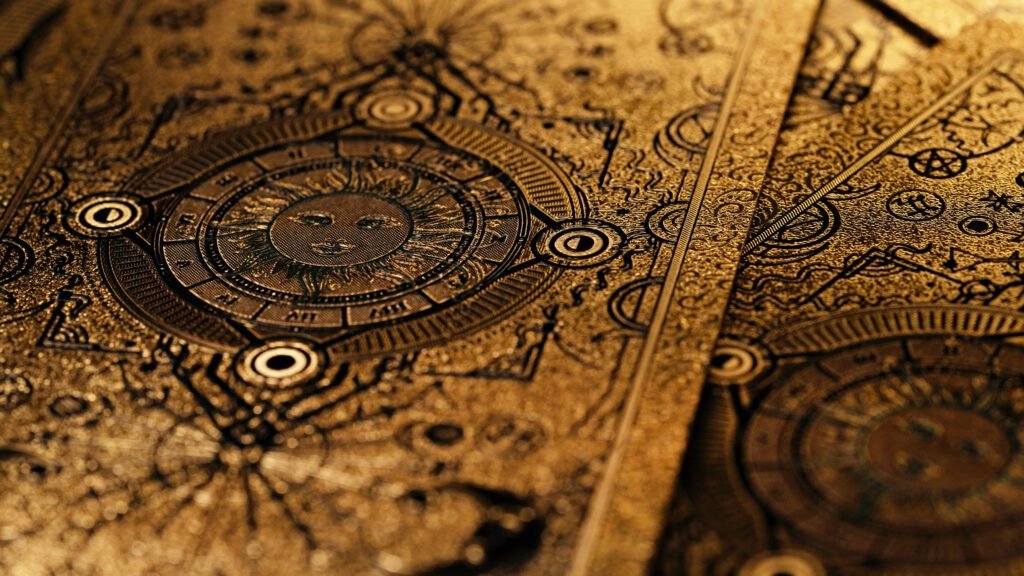
Hermeticism stands as a unique tradition that blends metaphysical inquiry, religious practice, and the occult sciences into a cohesive wisdom tradition. Unlike mainstream Western philosophy, which often separates rational thought from religious and scientific pursuits, Hermeticism integrates these elements as pathways to spiritual enlightenment and divine union. At its core, Hermeticism values esoteric knowledge, known as gnosis, and ritual transformation, emphasizing the interconnections between the macrocosm and microcosm. This tradition also incorporates practical arts such as astrology, alchemy, and magic as part of its spiritual toolkit.
Oneness and Pluralism: The Essence of Hinduism
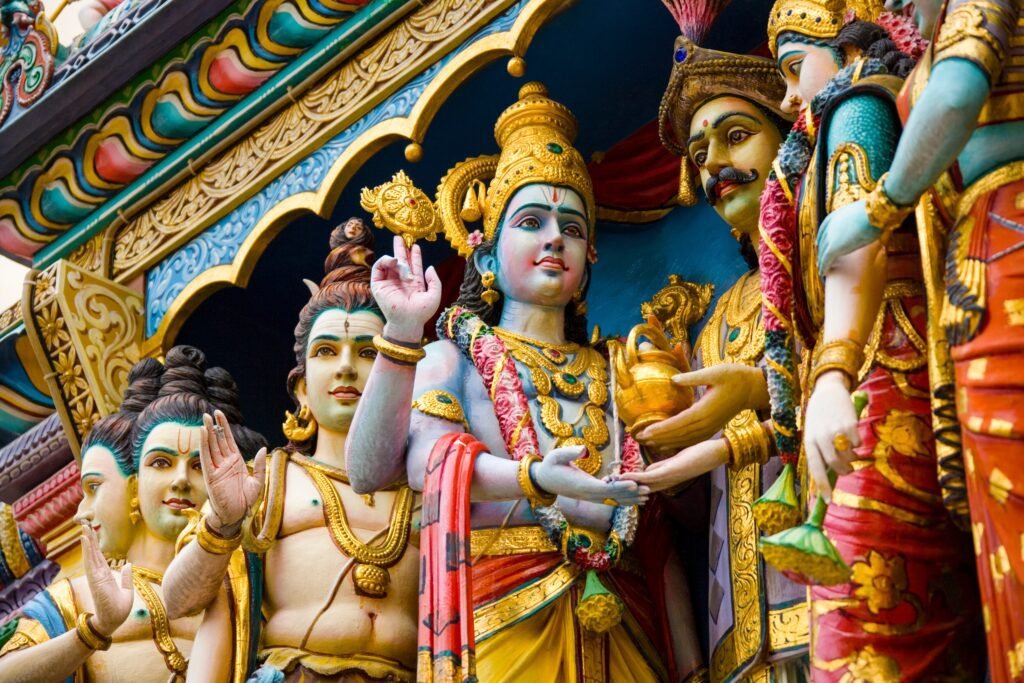
Hinduism, also known as Sanatana Dharma, is recognized as the oldest living religion in the world. It is a natural religion, suggesting that its philosophies and practices are universally accessible through sincere study, reason, and experience, without the need for special revelation. As an indigenous religion, it encompasses a diverse family of philosophies and traditions that have been practiced primarily throughout Asia for thousands of years. Today, Hinduism stands as a global religion with adherents from virtually every racial, ethnic, and national background, living on every continent, and forming majorities in countries like India, Nepal, and Mauritius.
Exploring the Major Arcana: The Journey of Life Through Tarot
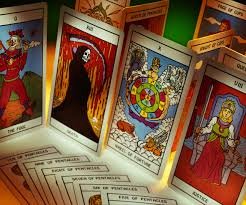
The Major Arcana of tarot is a captivating collection of 21 numbered cards, alongside card 0, known as The Fool. This sequence of cards narrates a profound story, often referred to as ‘The Fool’s Journey,’ which serves as a metaphor for the various stages and experiences of life. The Fool, embodying freshness, spontaneity, and the essence of beginnings, is the protagonist of this journey. As we navigate through life, the Major Arcana cards introduce us to diverse archetypes and universal themes that we encounter along the way. While some perceive this journey as a linear path, others believe that any stage can manifest at any time, making the journey uniquely personal.
Exploring the Profound Connection Between Spirituality and Mental Health

The biopsychosocial spiritual model presents a comprehensive perspective on mental health, emphasizing that human well-being is shaped not only by biological, psychological, and social factors but also by spiritual dimensions. This approach acknowledges that spirituality—the search for meaning, connection, and a sense of higher purpose—plays a crucial role in overall mental health. By integrating spirituality into mental health care, practitioners can offer more holistic and personalized treatment approaches, addressing the diverse needs of individuals.
The Function of Mythology in Modern Life: Why Ancient Stories Still Matter
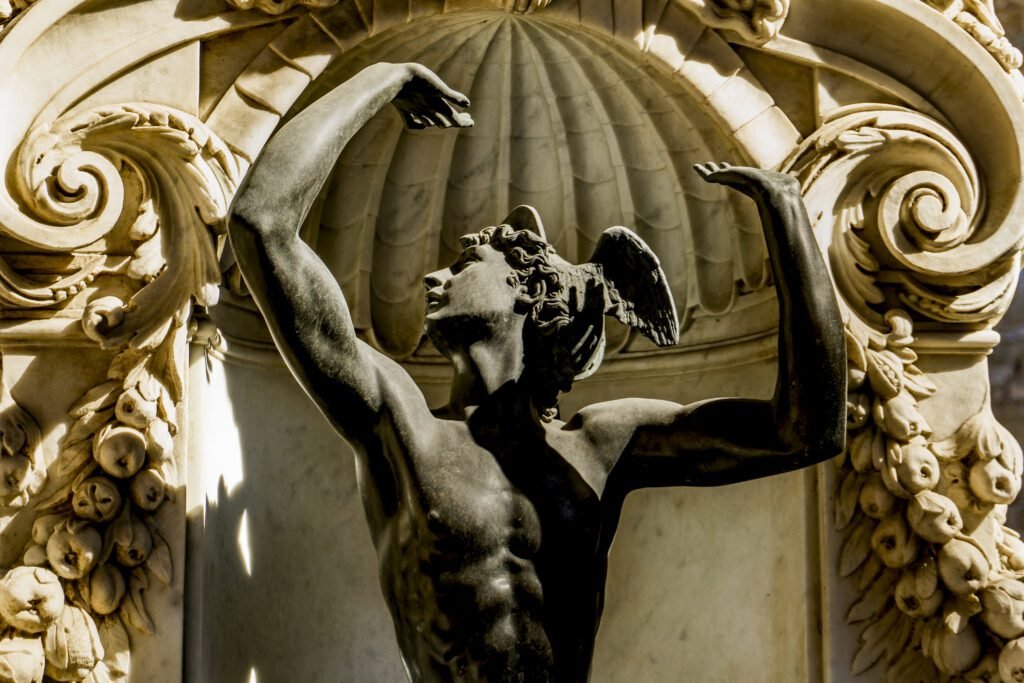
In an era where humanity has achieved remarkable scientific progress, from mapping galaxies to editing genes, the quest for understanding the deeper aspects of life remains as pressing as ever. Despite our ability to explore the material universe with unprecedented precision, some of the oldest existential questions continue to elude definitive answers. Questions about the meaning of life, the impact of power on individuals, the transformative nature of suffering, and the repetition of historical patterns are as relevant today as they were in ancient times. These are the questions that mythology has sought to explore and preserve across generations, making it an enduring and vital part of human culture.
The Spanish School of Tarot: A Rich Tapestry of History and Culture
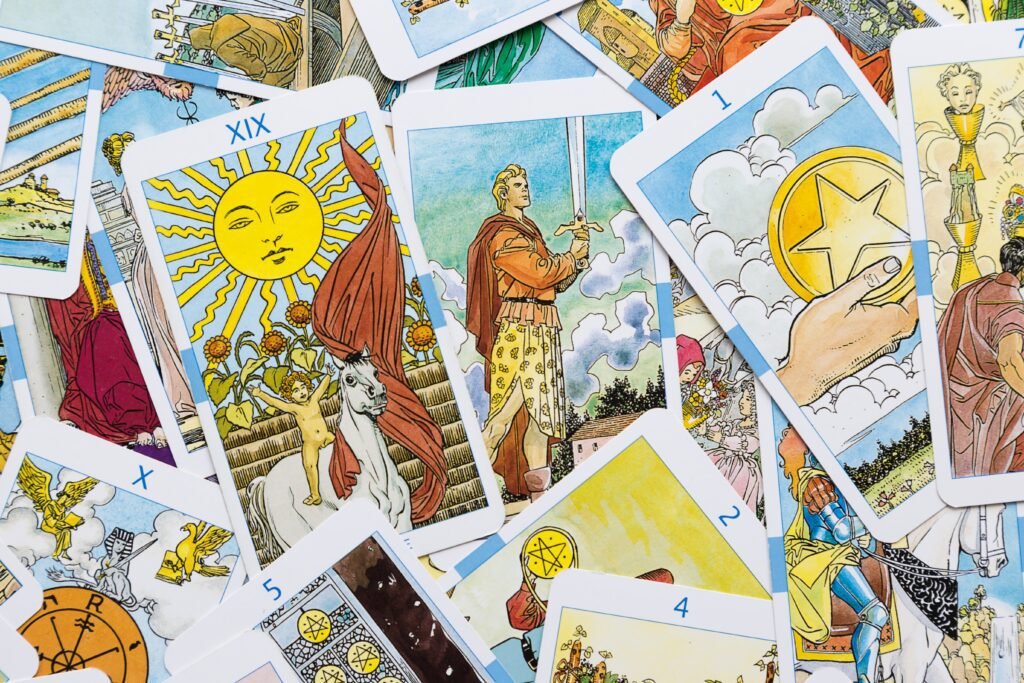
The Spanish School of Tarot is a fascinating chapter in the history of tarot, characterized by its rich artistry and multicultural influences. While the earliest mentions of tarot in Spain date back to 1378, the journey of tarot in this region has been anything but straightforward. Despite early prohibitions by the Church, the Spanish never ceased to play card games, leading to a unique development of tarot decks that reflect a blend of cultural and esoteric traditions.