
The Yijing (I Ching) – The Book of Changes
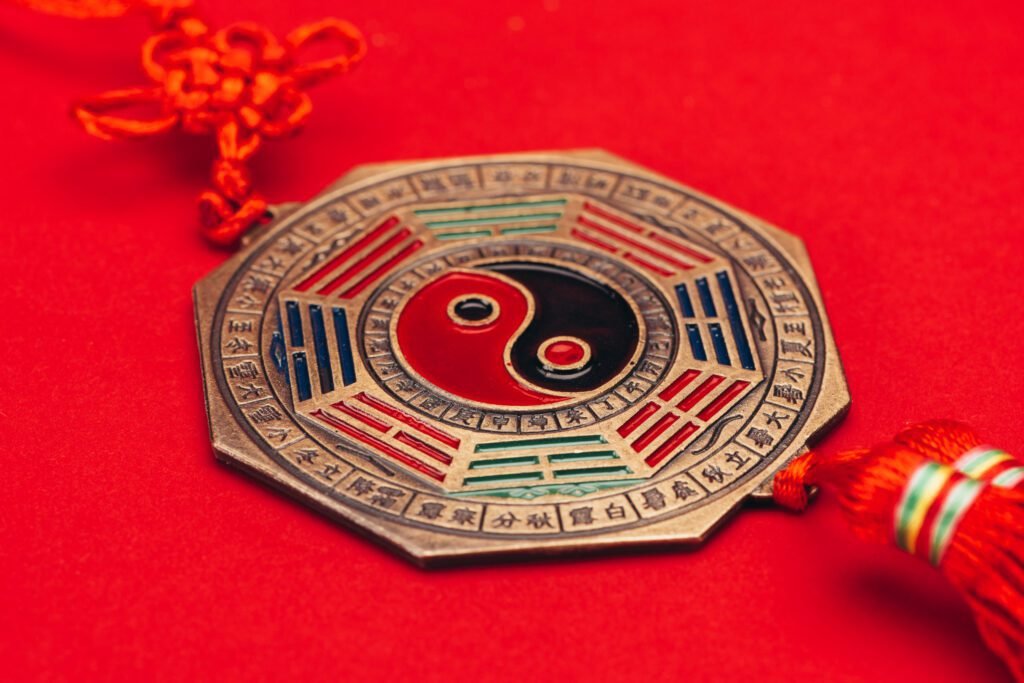
Among the great intellectual works of human civilization, few are as enigmatic and enduring as the I Ching, known in Chinese as the Yijing, the Book of Changes. For more than three millennia, this remarkable text has guided philosophers, rulers, scholars, and spiritual seekers seeking to understand one of the most fundamental truths of existence: everything changes.
Doreen Valiente: The Mother of Modern Witchcraft

Doreen Valiente is a name that resonates deeply within the Pagan and Wiccan communities. Often revered as ‘The Mother of Modern Witchcraft,’ her contributions have been fundamental in shaping contemporary witchcraft, particularly Wicca. Her legacy is vast, encompassing writings, rituals, and an enduring influence on both spiritual and academic circles.
Umbandaime: A Unique Fusion of Santo Daime and Umbanda
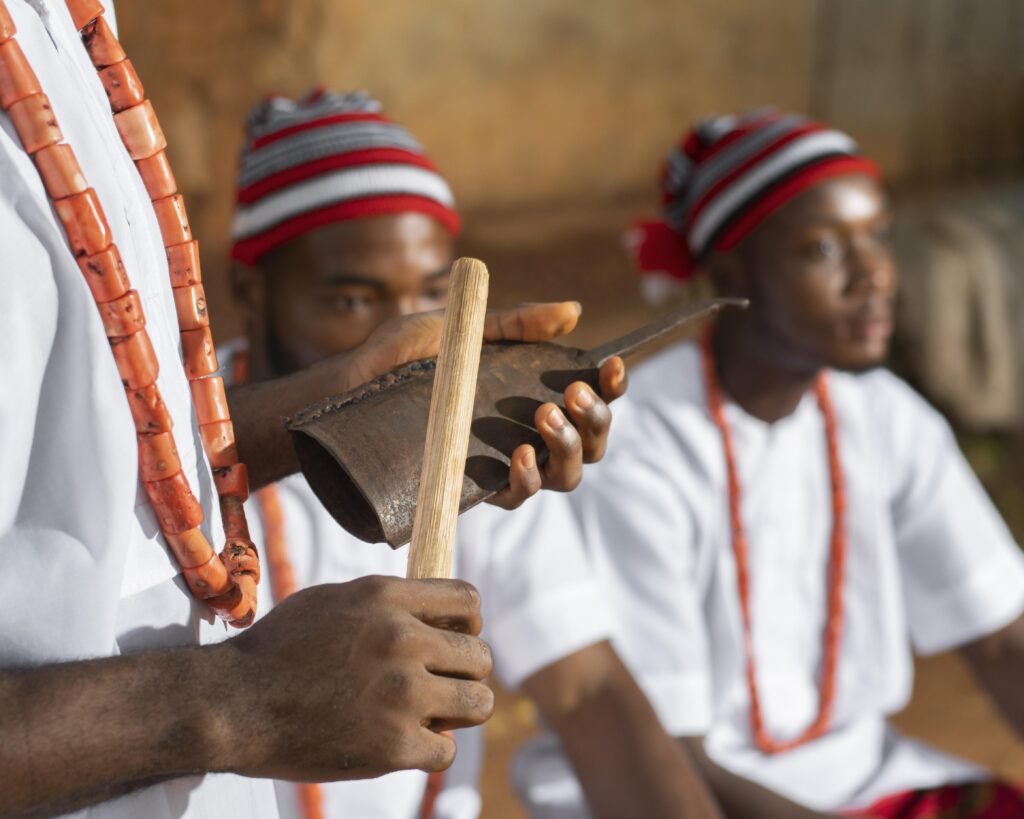
Umbandaime is a distinctive blend of two Brazilian-born religious traditions: Santo Daime and Umbanda. This fusion creates a unique spiritual framework that centers around the use of Ayahuasca, also known as Daime, as its foundational sacrament. Ayahuasca serves as a bridge, connecting the earthly realm with the celestial, offering practitioners a profound spiritual experience. Both Santo Daime and Umbanda are syncretic religions, drawing from a variety of spiritual traditions such as Kardecist Spiritism, African Animism, Catholicism, Esoteric Judaism, and indigenous Brazilian shamanism.
Understanding Spiritual Awakening and Its Five Transformative Stages
Spiritual awakening is a profound and transformative journey that connects individuals with their deepest essence and the spiritual realities surrounding them. It is a process that involves a significant shift in consciousness, where one’s perception of life, the universe, and the self undergoes a radical change. This transformation paves the way for a deeper and more meaningful understanding of existence, marking the beginning of a path toward spiritual enlightenment and self-realization.
The Celestial Tongue: Exploring the Mystical World of Enochian Magic
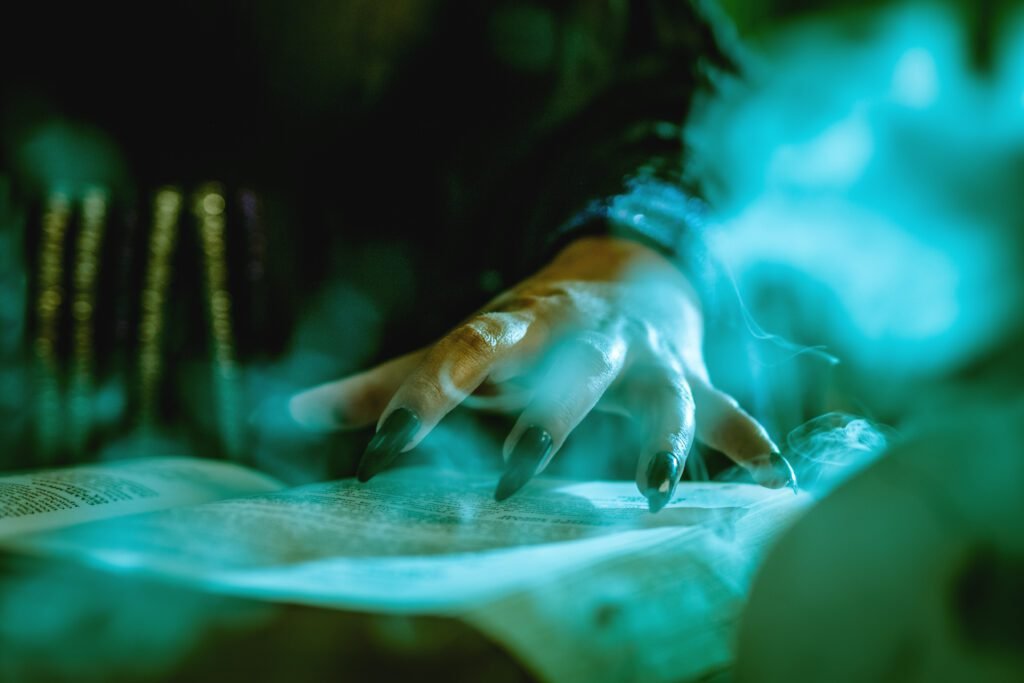
In the vast landscape of esoteric traditions, few subjects captivate the imagination quite like Enochian magic. This enigmatic system of mystical practices, developed during the Renaissance, offers a tantalizing glimpse into what some believe to be the language of creation itself. Originating in the late 16th century, Enochian magic was born from the collaborative efforts of two remarkable figures: John Dee, a brilliant mathematician and advisor to Queen Elizabeth I, and Edward Kelley, a gifted medium with an extraordinary ability to communicate with the divine.
Yoga and Tantra: The Symbiotic Path to Spiritual Elevation
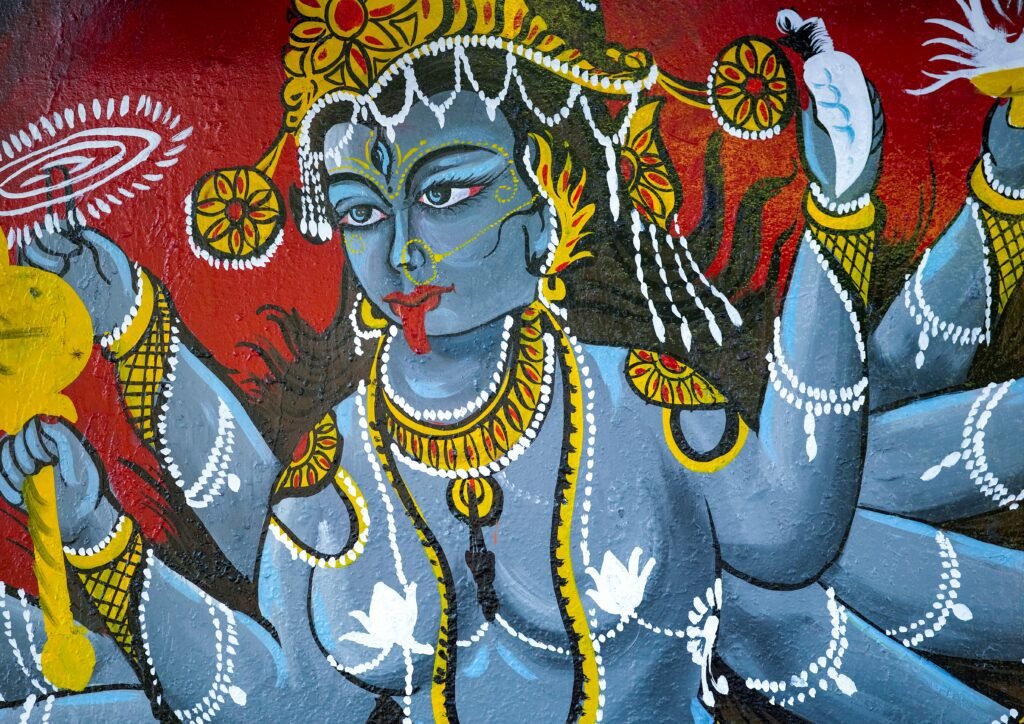
Tantra Yoga, within this spiritual tradition, is a path that integrates the body, energy, and consciousness. Unlike other yogic paths such as Haṭha or Rāja Yoga, Tantra Yoga does not view the body and material world as obstacles but as essential components of the spiritual journey. It aims to harmonize physical vitality with subtle energies, ultimately leading to the expansion of consciousness.