
Rosicrucianism: Unveiling the Mystical Tradition
Rosicrucianism emerged in the early 17th century as a spiritual and philosophical movement inspired by a series of mysterious texts known as the Rosicrucian manifestos. These enigmatic documents told the tale of a mythical figure named Christian Rosenkreuz, whose adventures in pursuit of wisdom laid the groundwork for the Fraternitas Rosae Crucis, or the Brotherhood of the Rosy Cross.
The Rosicrucian manifestos, including ‘Fama Fraternitatis’ and ‘Confessio Fraternitatis,’ introduced Rosenkreuz as a wise and enlightened figure who possessed secret knowledge of divine mysteries, spanning alchemy, medicine, and spirituality. These texts propagated the ideals of the Rosicrucian Brotherhood, emphasizing the pursuit of wisdom, the healing arts, and societal transformation through understanding the universe’s mysteries.
The Rise of Brazil’s Santo Daime Religion
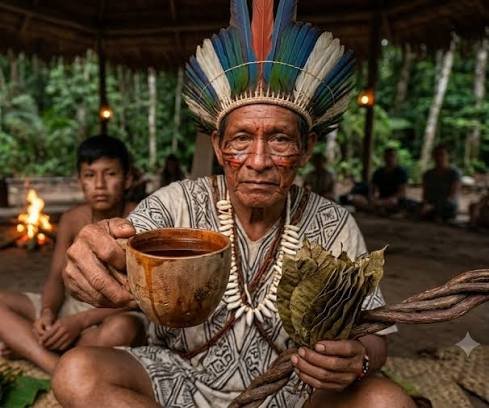
In the heart of São Paulo, Brazil’s sprawling metropolis, a unique gathering unfolds as the clock ticks past midnight. Guests arrive at a modest house in Butantã, an inner-city suburb, each carrying their own set of essentials—yoga mats, blankets, and a sense of curiosity. Despite the warmth of the South American summer night, the air-conditioning hums softly above a row of mattresses, each equipped with a small waste paper bin lined with a plastic bag, hinting at the night’s purpose.
The Rise of Witchcraft Retreats: A Sanctuary for Women in Search of Empowerment
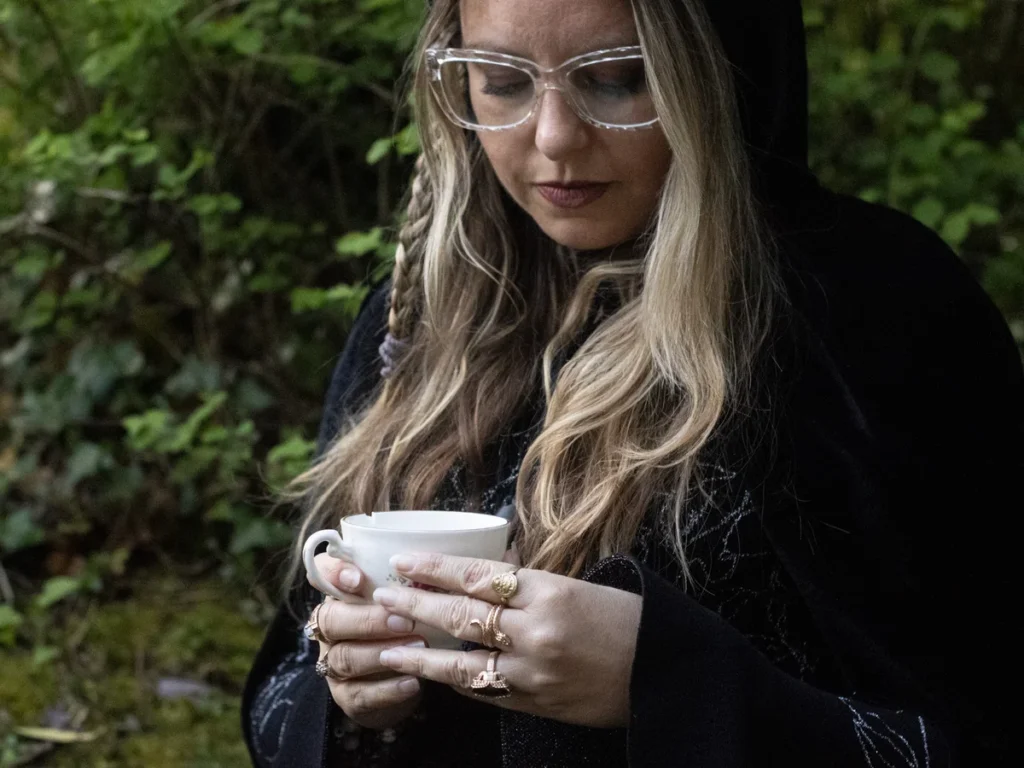
In the serene setting of a 200-year-old estate in Ireland, a group of women come together to seek solace and empowerment through witchcraft. These women, numbering fifteen, gather in a sunlit room, each carrying hopes of communicating with spirits—be it ancestors, forest fairies, or witches of the past. The atmosphere is charged with anticipation, reminiscent of the first day of school.
Merry We Meet: The Life and Legacy of Stewart Farrar
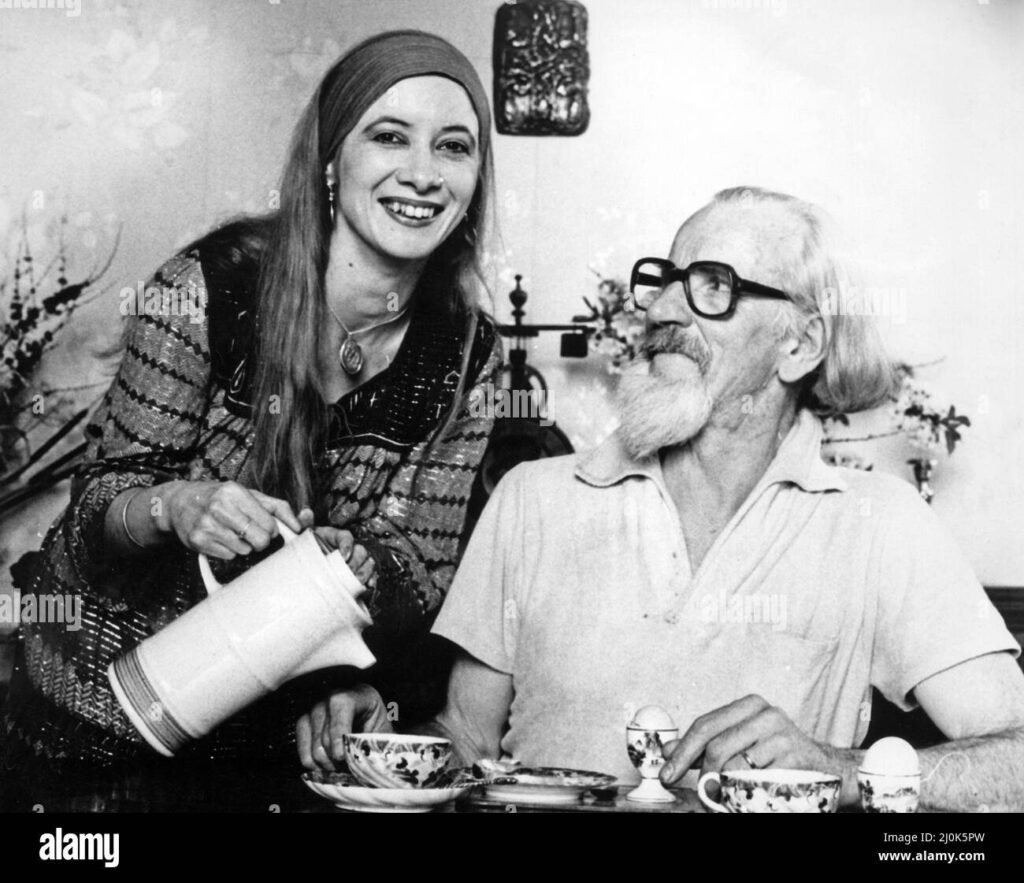
Stewart Farrar, a luminary in the world of modern witchcraft, was born on June 28, 1916, in Highams Park, Walthamstow, London. Raised in a middle-class Christian Scientist household, Farrar’s early life was shaped by the contrasting influences of his father, a bank official, and his mother, a schoolteacher. His journey into the realm of journalism began at the City of London School for Boys, which led him to University College London. There, he honed his skills, eventually graduating with a degree in journalism in 1937. During his university years, Farrar took on leadership roles, serving as President of the London University Journalism Union and Editor of the London Union Magazine.
The Role of Mythology in Contemporary Life: Why Ancient Narratives Endure
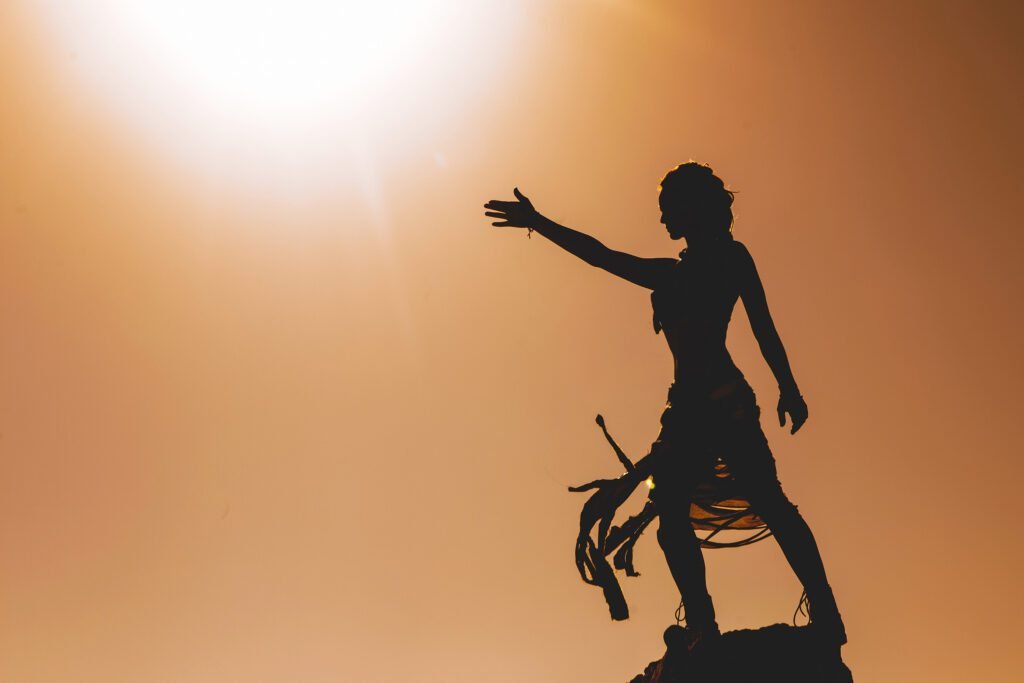
In an age where humanity can map the universe, edit genes, and simulate intelligence, we find ourselves grappling with age-old questions about existence. Despite modern science’s profound insights into the material world—allowing us to study matter at subatomic levels and trace the origins of stars—fundamental questions about life remain as elusive as ever. What gives life meaning? How does power affect individuals? Why does suffering transform some while breaking others? These inquiries have persisted throughout human history, transcending the bounds of modern civilization.
One Buddha, Two Narratives: The Complex Relationship Between Buddhism and Hinduism
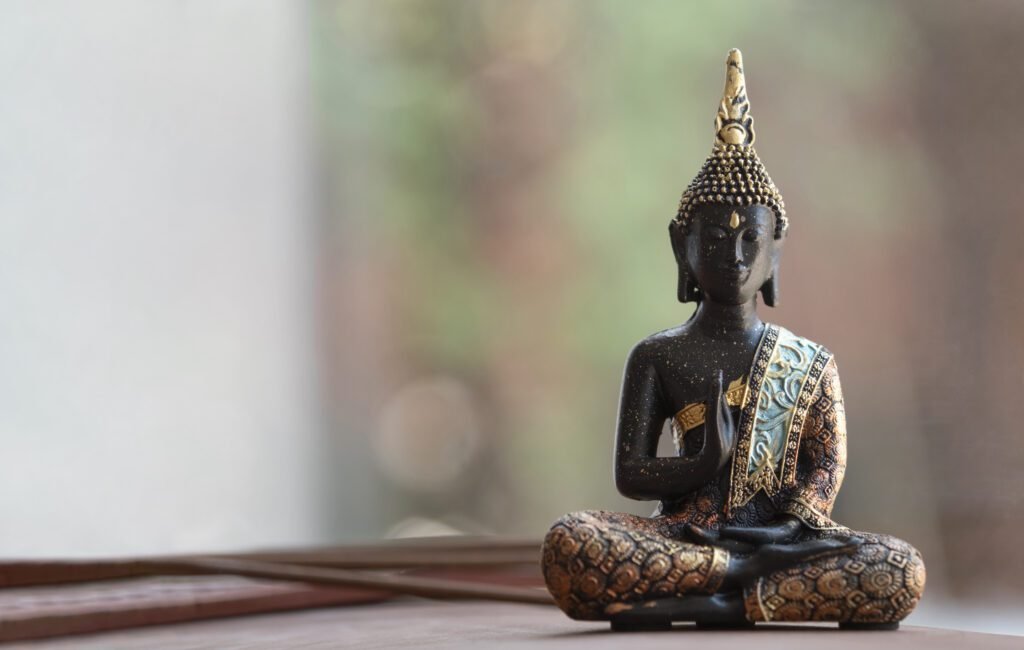
In the heart of Kathmandu, a complex narrative intertwines the legacies of Gautama Buddha and the Hindu deity Vishnu. This narrative, deeply rooted in historical and philosophical contexts, reveals a tale of religious and cultural interplay that has evolved over centuries. In contemporary Hindu Vaishnavism, Shakyamuni Gautama Buddha is revered as the ninth incarnation of Vishnu. This belief, however, stands in stark contrast to Buddhist teachings and historical interpretations.