
The Fool’s Journey: A Symbolic Adventure
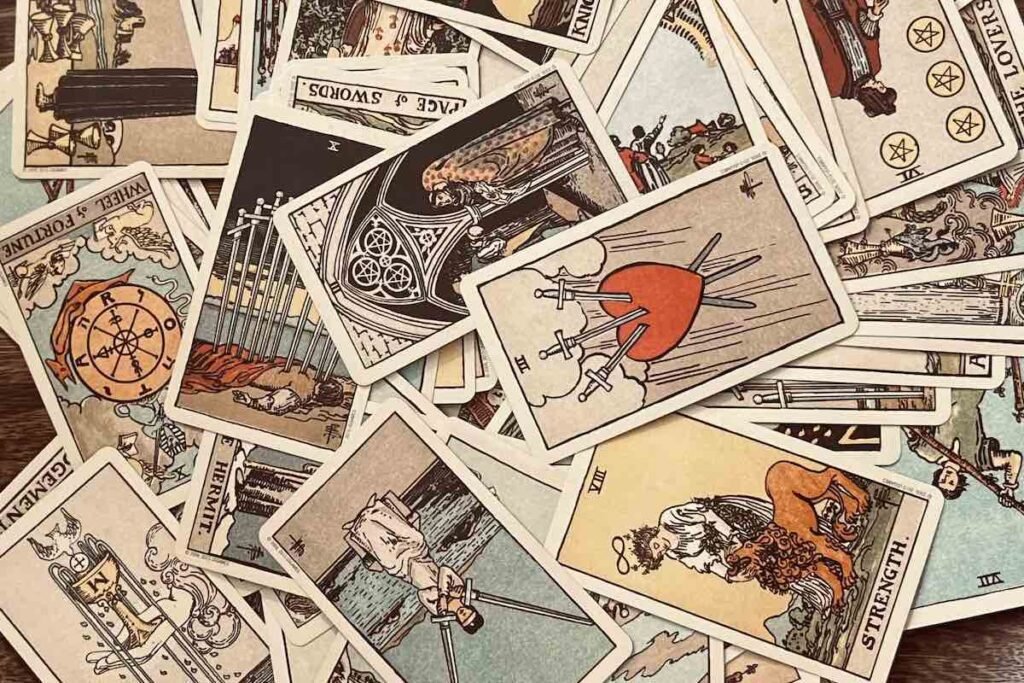
The Major Arcana of tarot is a captivating collection of 21 numbered cards, alongside card 0, known as The Fool. This sequence of cards narrates a profound story, often referred to as ‘The Fool’s Journey,’ which serves as a metaphor for the various stages and experiences of life. The Fool, embodying freshness, spontaneity, and the essence of beginnings, is the protagonist of this journey. As we navigate through life, the Major Arcana cards introduce us to diverse archetypes and universal themes that we encounter along the way. While some perceive this journey as a linear path, others believe that any stage can manifest at any time, making the journey uniquely personal.
In tarot readings, the Major Arcana cards hold significant weight, addressing the most crucial aspects of life. When one of these cards appears, it demands attention and reflection. The Fool, bearing the number 0, is central to the Major Arcana, symbolizing the self as we embark on different paths in life. This card encourages us to embrace the unknown with joy and faith, suggesting that although the destination is uncertain, the direction is right. It is a card of endless possibilities, urging us to take risks and dive into new experiences. Whether it’s embarking on a spontaneous road trip, going on a date, or adopting a pet, The Fool encourages us to leap forward and trust that the universe will support us.
The Magician: Harnessing Creative Power
The Magician card is a powerful symbol of manifestation, representing the ability to channel energy from the universe and direct it towards creation. Depicted with a wand raised to the sky and another hand pointing downwards, the Magician draws energy from above and channels it through his body to the earth below. Surrounding him are objects representing the four suits of tarot, signifying the elements he manipulates.
In tarot readings, the Magician card encourages dreaming big and using one’s environment to gather and focus energy into creative endeavors. This card is a reminder of the magic inherent in all of us, urging us to channel our passions, experiences, and resources into making things happen. While the energy of the Magician can be intense and sometimes overwhelming, it is crucial to direct it productively, turning dreams into reality.
The High Priestess: Embracing Inner Wisdom
The High Priestess embodies mystery, intuition, and the divine feminine. She is depicted with a veil adorned with pomegranates, linking her to Persephone, the Greek goddess of spring and the Underworld. The triple moon symbol on her head signifies her connection to femininity and lunar power. Behind the veil lies water, symbolizing the collective unconscious, and she holds a book often associated with divine wisdom.
In readings, the High Priestess urges introspection and connection with one’s inner self. She encourages meditation, journaling, and artistic expression as means to access deeper wisdom. While the mysteries behind the veil may not be immediately accessible, taking time to look inward and trust one’s intuition can lead to profound insights.
The Empress and The Emperor: Balancing Nurture and Structure
The Empress card represents the nurturing, abundant aspects of the divine feminine. Surrounded by nature, she embodies gentleness, love, and a deep connection to the earth. With symbols linking her to goddesses like Demeter and Aphrodite, the Empress encourages living passionately and embracing love in all forms, whether maternal, romantic, or self-love.
In contrast, the Emperor symbolizes structure, authority, and the worlds built by men. Associated with the Greek god Ares, the Emperor represents societal constructs that provide order and protection from chaos. In readings, the Emperor may signify a father figure or authority, urging the querent to assert leadership and create structure in their lives.
Together, the Empress and Emperor illustrate the balance between nurturing and discipline, reminding us of the importance of both in personal growth and societal harmony.
The Hierophant: Tradition and Spiritual Guidance
The Hierophant, often depicted as a religious leader, represents organized religion and the transmission of spiritual knowledge. Traditionally drawn as the Pope, this card embodies the influence of societal structures and the internalized values they instill. In readings, the Hierophant may signify a teacher, a path laid out by tradition, or an organized belief system.
This card prompts reflection on where one places their faith and whether it aligns with their true self. While the Hierophant can signify the benefits of community and tradition, it also warns against blindly following authority and encourages questioning established norms.
The Lovers: Choices and Connections
The Lovers card delves into the complexities of love and relationships. Depicted with figures embracing, overseen by Eros, the Greek god of love, this card explores the role of love in our lives. It represents the intense and deep connections we form, whether romantic, platonic, or familial.
In readings, the Lovers card often presents a choice between desires and moral considerations. It invites introspection about who we want to be and who we want to be with, emphasizing the transformative power of love and relationships.
The Chariot: Willpower and Determination
The Chariot card symbolizes swift, confident movement and the power of will. Depicted with a figure standing on two motorcycles, the Chariot represents the balance needed to direct opposing forces towards a common goal. This card is about victory through strength of will, encouraging determination and balance in pursuing one’s objectives.
In readings, the Chariot urges finding harmony between different aspects of oneself and charging forward with confidence. Even when self-doubt arises, the Chariot encourages faking confidence until it becomes genuine, emphasizing the importance of willpower in achieving success.
Strength: Inner Fortitude and Compassion
The Strength card portrays a woman gently taming a lion, symbolizing the balance between our wild instincts and the desire for control. This card highlights the power of inner strength and compassion, urging acceptance of all parts of oneself, including fears and insecurities.
In readings, Strength encourages self-betterment and facing external challenges with courage. By embracing both the wild and controlled aspects of our nature, we can achieve personal growth and resilience.
The Hermit: Seeking Inner Guidance
The Hermit card depicts solitude and introspection, with a figure holding a lantern on a snowy mountaintop. It symbolizes the quest for inner wisdom and the importance of withdrawing from the world to listen to one’s inner voice.
In readings, the Hermit encourages taking time for self-reflection and trusting one’s inner guidance. It is a reminder that all the answers lie within, and solitude can be a powerful tool for personal growth and understanding.
Wheel of Fortune: Embracing Change
The Wheel of Fortune card represents the ever-changing nature of life and the cycles of fortune and misfortune. With symbols of the four elements and the name of God, this card emphasizes the inevitability of change and the importance of embracing it.
In readings, the Wheel of Fortune reminds us that circumstances are beyond our control and that change is a natural part of life. It encourages acceptance of life’s ups and downs, knowing that nothing is permanent.
Justice: Fairness and Truth
The Justice card embodies the principles of fairness, truth, and the power of choice. With scales representing balance and a sword symbolizing decision-making, this card urges making decisions based on truth and fairness.
In readings, Justice calls for honest self-assessment and fair judgment of situations. It can indicate that current circumstances are the result of past actions and that justice will prevail, urging one to act with integrity.
The Hanged Man: Perspective and Surrender
The Hanged Man card depicts a figure suspended upside down, symbolizing the need for a shift in perspective and the acceptance of discomfort for growth. This card represents the enlightenment that comes from letting go and embracing new viewpoints.
In readings, the Hanged Man encourages surrendering control and viewing situations from different angles. It suggests that by embracing a new perspective, one can find solutions and achieve personal transformation.
Death: Transformation and Renewal
The Death card, often misunderstood, symbolizes the end of a cycle and the beginning of a new one. Depicted with a figure on a white horse, this card emphasizes the necessity of letting go to make way for transformation and renewal.
In readings, Death signifies the need to release what no longer serves us, whether it’s a relationship, career, or belief. It is a powerful reminder that change is essential for growth and that new beginnings arise from endings.
Temperance: Balance and Moderation
The Temperance card represents the blending of opposites and the importance of balance and moderation. Depicted with an angel mixing fire and water, this card emphasizes the harmony that comes from combining different elements.
In readings, Temperance encourages finding balance in life and integrating disparate aspects of oneself. It suggests that moderation and harmony are key to achieving peace and fulfillment.
The Devil: Facing Inner Demons
The Devil card, often depicted with Baphomet, symbolizes addiction, bondage, and the destructive nature of excess. It represents the chains that bind us to negative behaviors and beliefs.
In readings, the Devil urges confronting one’s inner demons and recognizing the forces that hold us back. It is a call to break free from destructive patterns and reclaim personal power.
The Tower: Sudden Change and Liberation
The Tower card is a symbol of sudden, transformative change, often depicted with a lightning-struck tower. It represents the collapse of false structures and the liberation that follows.
In readings, the Tower warns of impending upheaval and the need to let go of outdated beliefs and situations. It emphasizes that while change may be painful, it ultimately leads to freedom and growth.
The Star: Hope and Inspiration
The Star card, a symbol of hope and inspiration, depicts a figure pouring water into a pool, representing the flow of creativity and renewal. It signifies a time of healing and the return of optimism after turmoil.
In readings, the Star encourages embracing creativity and pursuing dreams. It is a reminder that even after difficult times, hope and inspiration can be found, leading to personal and spiritual growth.
The Moon: Intuition and Uncertainty
The Moon card represents intuition, subconscious fears, and the unknown. With imagery of wolves and a lobster, it symbolizes the hidden aspects of the self and the challenges of navigating uncertainty.
In readings, the Moon warns of confusion and the need to trust one’s intuition. It suggests that while the path may be unclear, insights and revelations will emerge over time.
The Sun: Joy and Enlightenment
The Sun card is a beacon of joy, clarity, and enlightenment. Depicted with a child riding freely, it symbolizes the warmth and vitality of life, urging one to embrace happiness and the interconnectedness of the world.
In readings, the Sun encourages enjoying the present moment and finding delight in simplicity. It is a reminder that enlightenment is an experience to be savored, bringing light and joy into our lives.
Judgement: Reflection and Renewal
The Judgement card, often associated with Anubis, the Egyptian god of the dead, symbolizes self-reflection and the opportunity for renewal. It invites introspection and the assessment of one’s life choices.
In readings, Judgement calls for honest evaluation of past actions and the potential for transformation. It is an invitation to answer a higher calling and to embrace change with intention and purpose.
The World: Completion and Fulfillment
The World card, the final card of the Major Arcana, represents completion, fulfillment, and self-actualization. Depicted with a dancing figure surrounded by symbols of the four suits, it signifies the harmony of inner and outer worlds.
In readings, the World suggests the successful completion of a cycle and the achievement of personal goals. It is a celebration of wholeness and the realization of one’s place within the universe, marking the culmination of the Fool’s Journey.
“The Fool is about joyfully commencing an unknown journey, filled with the belief that although you don’t know where you are going, you’re headed in the right direction.”
Fonte: www.thismighthurttarot.com