
Discover the Enchantment at the Buckland Museum of Witchcraft and Magick
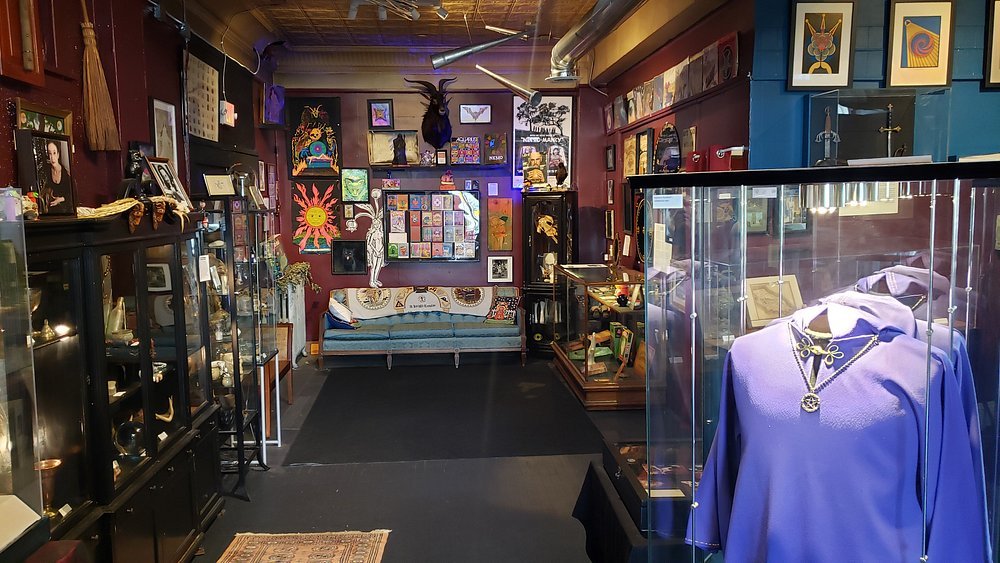
Buckland Museum of Witchcraft and Magick, Nestled in the vibrant city of Cleveland, Ohio, the Buckland Museum of Witchcraft and Magick stands as a beacon for those intrigued by the mystical and the mysterious. As the first museum in the United States dedicated to the celebration of witchcraft, the occult, and paranormal cultures, it offers an unparalleled glimpse into a world often shrouded in mystery and misconception.
The Seven Minute Meditation Breakthrough: How Brief Sessions Can Transform Your Brain

Meditation, a practice dating back to 5,000 to 3,500 BCE, has long been associated with spiritual enlightenment. In contemporary times, it has evolved into a powerful tool for enhancing mental and physical well-being. Many individuals turn to meditation to alleviate stress and anxiety, seeking a sense of calm and grounding. While some practitioners dedicate hours to this pursuit, recent scientific research suggests that a mere seven minutes may suffice to achieve significant mental changes.
Understanding Esotericism Through the Lens of Christian Faith
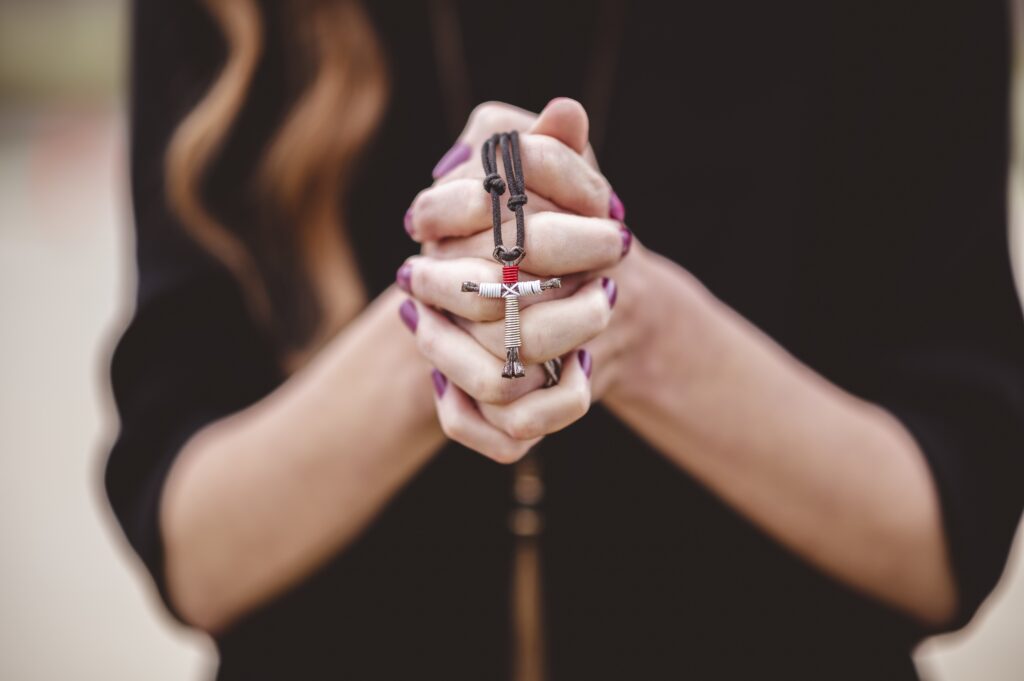
In today’s world, where the search for meaning is more pronounced than ever, esotericism is experiencing a notable resurgence. This revival is marked by an intriguing blend of mystery, symbolism, and the allure of hidden knowledge. It finds its way into wellness discourses, energy practices, anonymous rituals, and new age philosophies, creating a seductive syncretism that combines ancient traditions with modern visions.
The Yijing (I Ching) – The Book of Changes
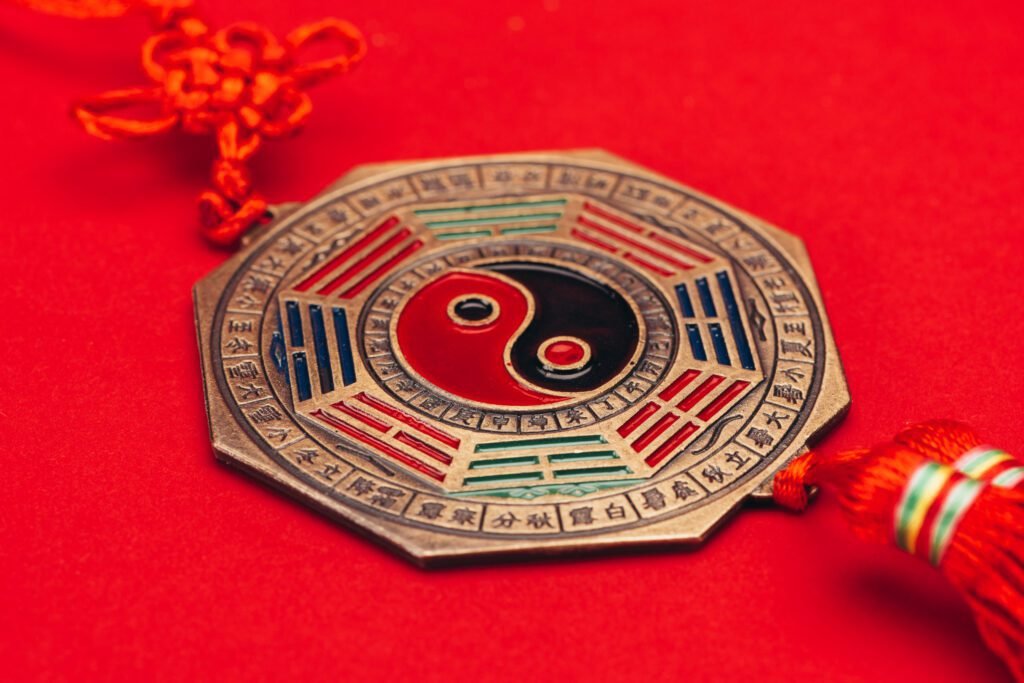
Among the great intellectual works of human civilization, few are as enigmatic and enduring as the I Ching, known in Chinese as the Yijing, the Book of Changes. For more than three millennia, this remarkable text has guided philosophers, rulers, scholars, and spiritual seekers seeking to understand one of the most fundamental truths of existence: everything changes.
Doreen Valiente: The Mother of Modern Witchcraft
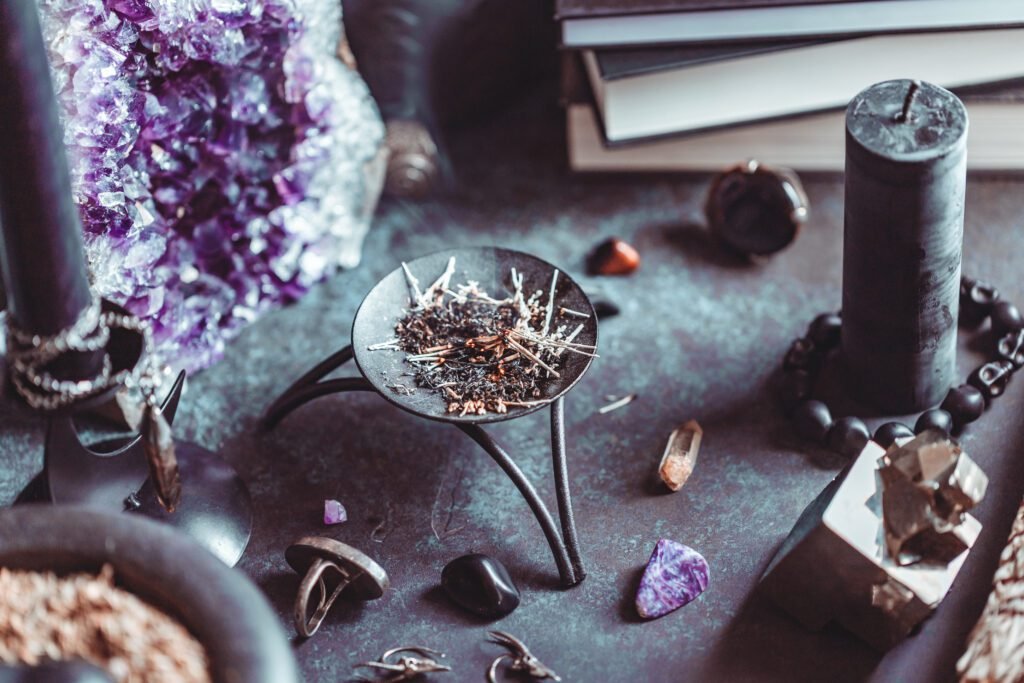
Doreen Valiente is a name that resonates deeply within the Pagan and Wiccan communities. Often revered as ‘The Mother of Modern Witchcraft,’ her contributions have been fundamental in shaping contemporary witchcraft, particularly Wicca. Her legacy is vast, encompassing writings, rituals, and an enduring influence on both spiritual and academic circles.
Umbandaime: A Unique Fusion of Santo Daime and Umbanda
Umbandaime is a distinctive blend of two Brazilian-born religious traditions: Santo Daime and Umbanda. This fusion creates a unique spiritual framework that centers around the use of Ayahuasca, also known as Daime, as its foundational sacrament. Ayahuasca serves as a bridge, connecting the earthly realm with the celestial, offering practitioners a profound spiritual experience. Both Santo Daime and Umbanda are syncretic religions, drawing from a variety of spiritual traditions such as Kardecist Spiritism, African Animism, Catholicism, Esoteric Judaism, and indigenous Brazilian shamanism.