
Introduction to Spiritual Practices
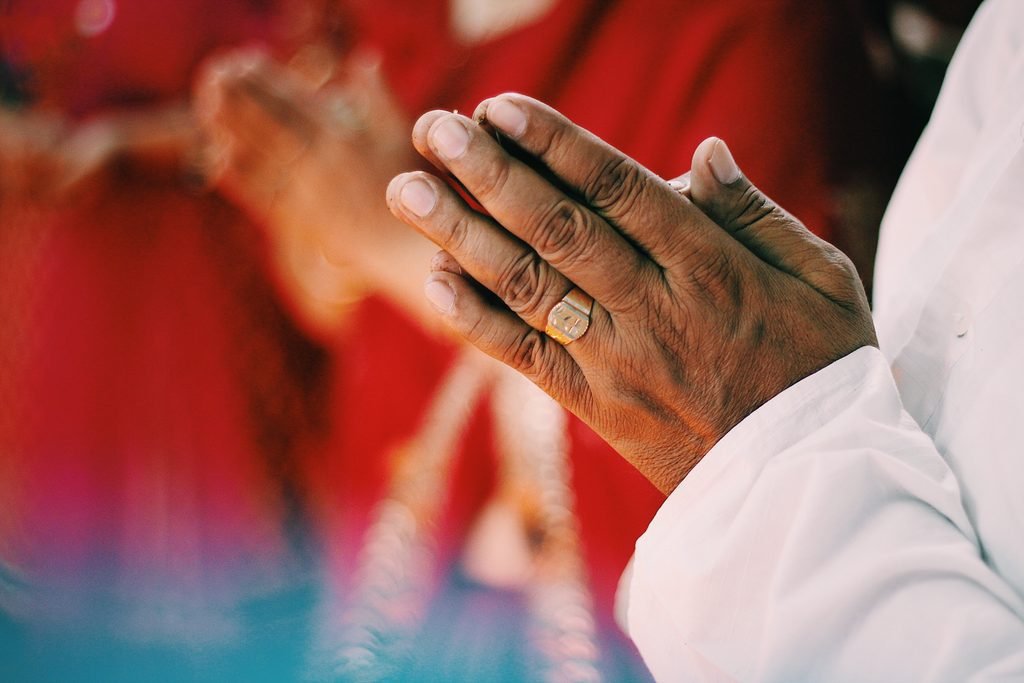
For millennia, spiritual and religious communities worldwide have organized their lives around meaningful practices. These traditions, deeply rooted in cultural and spiritual beliefs, have been passed down through generations, offering a sense of purpose and connection. In recent years, psychological scientists have engaged in dialogues with these communities to understand, refine, and test the impact of these practices on well-being.
In the United States, a significant portion of the population identifies as spiritual. A recent survey indicated that about 86 percent of American adults consider themselves spiritual in some form. For these individuals, spiritual practices are not just rituals; they are integral components of a lifestyle that harmonizes spirituality with personal well-being. While the definition of what constitutes a ‘spiritual’ practice may vary from person to person, these activities often serve as a foundation for a life enriched by spiritual values.
Meditation: A Path to Focus and Peace
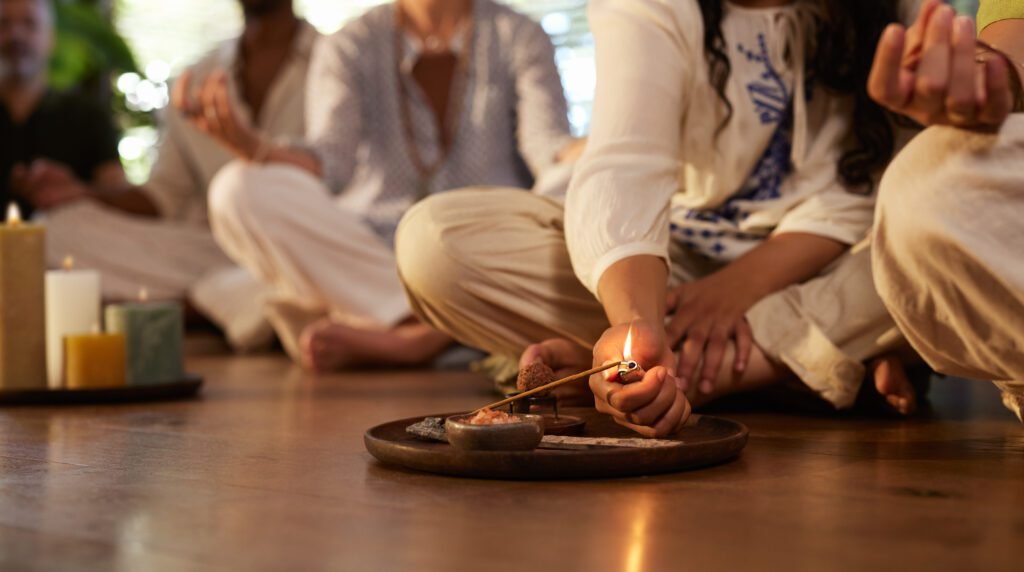
Meditation encompasses a wide array of activities aimed at focusing the mind and fostering inner peace. This practice is versatile, allowing individuals to concentrate on various elements such as their breath, a significant word, or even the gentle movement of light. The beauty of meditation lies in its adaptability; it can be personalized to suit the spiritual needs of the practitioner.
Modern technology has made meditation more accessible than ever before. Numerous apps are available to guide individuals through meditation sessions, offering support and structure to those new to the practice. By integrating meditation into daily life, individuals can cultivate a sense of calm and mindfulness, enhancing their overall well-being.
Experiencing Awe in Everyday Life
Awe is a powerful emotion that arises when we encounter something vast and beyond our understanding. According to researcher Dacher Keltner, awe can be experienced in the presence of immense natural beauty, extraordinary human achievements, or profound mysteries. These moments of awe can transform our perception of the world, leaving us with a sense of wonder and humility.
One way to intentionally seek awe is through an ‘awe walk.’ This practice involves taking a leisurely stroll in a natural setting, such as a forest, a field of flowers, or along a serene lake. The goal is to immerse oneself in the surroundings, allowing the beauty and intricacy of nature to inspire a sense of awe. By regularly engaging in awe walks, individuals can nurture their connection to the world and experience a deeper sense of well-being.
The Healing Power of Forgiveness
Forgiveness is a transformative process that involves releasing negative emotions and the desire for revenge. It is not about condoning or forgetting the actions of others but rather about freeing oneself from the burden of resentment. The practice of forgiveness can lead to emotional healing and personal growth.
Everett Worthington and his colleagues have developed a structured approach to forgiveness, summarized by the acronym ‘REACH’ (recall, empathy, altruism, choose, and hold). This method encourages individuals to reflect on the hurtful actions of others, cultivate empathy, and ultimately choose to forgive. By embracing forgiveness, individuals can find peace and move forward with their lives.
Cultivating Compassion for Others and Self
Compassion involves a deep empathy for the suffering of others and a desire to alleviate their pain. It is a fundamental aspect of many spiritual traditions and can be cultivated through specific practices. One such practice is compassion meditation, where individuals extend good wishes to others, starting with loved ones and gradually expanding to include strangers and even adversaries.
Self-compassion is equally important, involving a gentle acknowledgment of one’s own humanity and limitations. By offering kindness to oneself, individuals can build resilience and foster a healthier self-image. Both compassion and self-compassion contribute to emotional well-being and a more harmonious existence.
Embracing Gratitude in Daily Life
Gratitude is the practice of recognizing and appreciating the good in our lives. It involves acknowledging that many of these blessings come from sources outside ourselves. Cultivating gratitude can lead to a more positive outlook and increased happiness.
One effective gratitude practice is ‘Three Good Things,’ where individuals take time each day to reflect on three positive experiences. By savoring these moments and expressing thanks, individuals can enhance their sense of gratitude. Another powerful exercise is writing letters of appreciation to those who have made a positive impact in our lives. These practices not only strengthen relationships but also enrich our own sense of fulfillment.
Is there a practice you’ve read about here you’d like to try or make into more of a habit? Doing so may help you feel more grounded and help you in your value to make the world a better place.
Fonte: www.psychologytoday.com