
The Biopsychosocial Spiritual Model of Mental Health
In recent years, the intricate relationship between spirituality and mental health has gained significant attention in both scientific research and clinical practice. The understanding that spiritual beliefs and practices can influence emotional resilience, coping mechanisms, and overall well-being has opened new avenues for holistic mental health care. This article delves into the multifaceted connection between spirituality and mental health, examining scientific evidence, clinical implications, and practical strategies for integrating spiritual dimensions into mental health support.
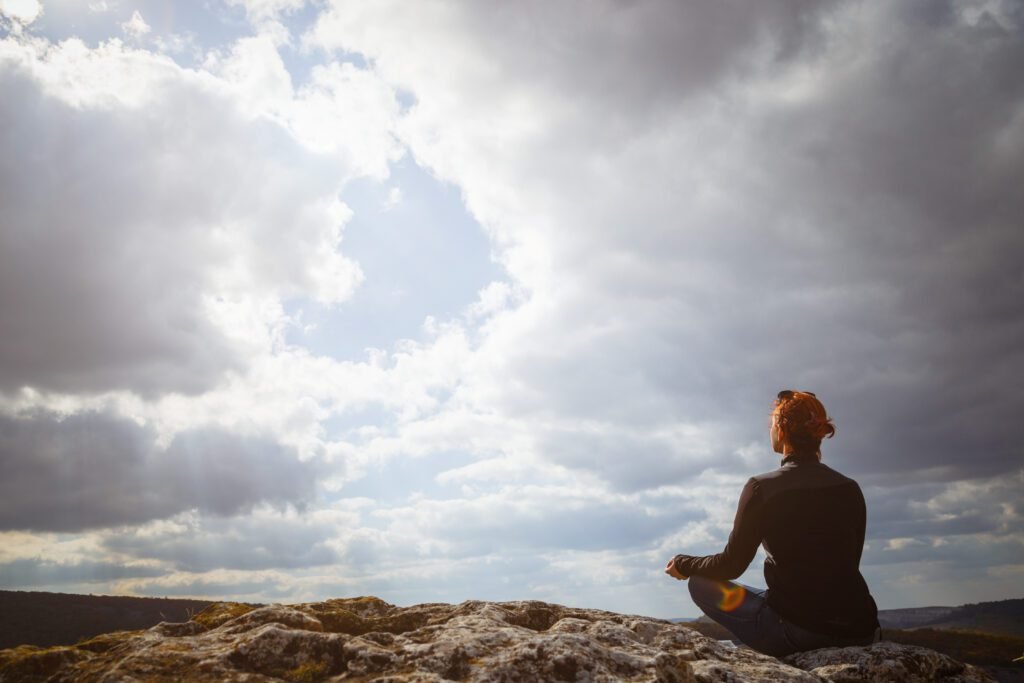
The biopsychosocial spiritual model presents a comprehensive perspective on mental health, emphasizing that human well-being is shaped not only by biological, psychological, and social factors but also by spiritual dimensions. This approach acknowledges that spirituality—the search for meaning, connection, and a sense of higher purpose—plays a crucial role in overall mental health. By integrating spirituality into mental health care, practitioners can offer more holistic and personalized treatment approaches, addressing the diverse needs of individuals.
Spirituality as a Coping Mechanism
Spirituality intersects with mental health by providing individuals with coping mechanisms that are vital in managing stress and emotional upheaval. Practices such as prayer, meditation, rituals, and engagement with spiritual communities can bolster resilience, foster inner peace, and support recovery during challenging times. These practices offer individuals a sense of belonging and purpose, which are essential for mental stability and recovery.
Research consistently highlights the positive impact of spirituality on mental health outcomes. Studies show that spiritual beliefs and practices can serve as protective factors, reducing the risk of depression, anxiety, and substance abuse. Spirituality helps individuals find meaning and purpose in their lives, mitigating feelings of hopelessness and despair. It fosters coping skills by promoting hope and resilience, especially in times of illness or trauma.

Scientific Evidence and Clinical Applications
Neuroscientific studies reveal that spiritual experiences activate brain regions associated with bonding, trust, and positive emotions. For example, recalling spiritual experiences has been shown to engage the brain’s bonding network similarly to physical acts like hugging. These findings suggest that spirituality not only provides psychological comfort but also has a physiological impact on mental health.
In clinical settings, incorporating spirituality through approaches like Spiritually Augmented Cognitive Behavioral Therapy (SACBT) has shown promise. This therapy emphasizes acceptance, forgiveness, hope, and meaning, incorporating techniques such as meditation, prayer, and spiritual reflection to aid mental health recovery. Furthermore, spiritual assessment and support are increasingly being recognized by mental health professionals as vital components of holistic care. Evidence suggests that addressing spiritual needs can improve treatment adherence, emotional resilience, and overall quality of life.
Integrating Spirituality into Mental Health Care
Healthcare providers are increasingly incorporating spiritual assessments into psychotherapy and psychiatric evaluations. Practices such as mindfulness, prayer, spiritual reflection, and rituals are tailored to individual beliefs, ensuring that treatment aligns with the patient’s spiritual needs and preferences. Spiritual care can include chaplaincy services, support groups, and spiritually-informed therapies that address the unique spiritual needs of each patient.
Training programs like those developed under the MISTIC framework guide clinicians in understanding and addressing spiritual needs. Patients often find it helpful to participate in community service, meditation, quiet reflection, or reading inspirational literature. These activities can provide a sense of meaning, foster hope, and build resilience. Spirituality offers mechanisms such as meaning-making and hope, which are central to recovery from mental health challenges.
Cultural and Social Dimensions of Spirituality
Spirituality is a deeply personal experience that varies widely across different cultures. While some societies emphasize formal religious practices like prayer, rituals, or pilgrimage, others may focus more on personal reflection, harmony with nature, or community-based spiritual activities. For example, Indigenous communities often incorporate spirituality into their connection with the land and ancestors, fostering a collective sense of purpose and identity.
Cultural beliefs shape how individuals interpret spiritual experiences, coping mechanisms, and religious obligations. They influence perceptions of mental health and suggest different approaches for healing and resilience. Recognizing these variations helps mental health professionals tailor interventions that are respectful and effective within each cultural context. Support networks within spiritual and religious communities provide emotional support, shared purpose, and social connections, which are vital for mental health across cultures.
Challenges and Ethical Considerations
Integrating spirituality into mental health care offers many benefits, but it also presents potential risks that healthcare providers must navigate carefully. One major concern is the possibility of exploitation, where vulnerable individuals might be manipulated by others within spiritual or religious communities for malicious purposes. Extremism and radical beliefs pose additional challenges, as deeply held religious or spiritual convictions can lead individuals toward harmful or extreme behaviors.
Balancing respect for a patient’s spiritual beliefs with the delivery of effective, evidence-based mental health treatment can be complex. Healthcare providers must foster an environment where patients feel their beliefs are respected, yet ensure that these beliefs do not interfere with or undermine the treatment process. Practitioners may incorporate spiritual practices aligned with treatment goals or collaborate with spiritual leaders when appropriate, while remaining grounded in scientific evidence.
Conclusion
Understanding the profound connection between spirituality and mental health underscores the importance of adopting a holistic approach in mental health care. Recognizing spiritual needs, supporting spiritual practices, and integrating spiritual assessment into treatment can foster resilience, hope, and recovery. While further research is essential to deepen our understanding, the clinical and empirical evidence strongly advocates for respecting and incorporating spirituality as a vital component in promoting mental well-being across diverse populations, ultimately bridging the gap between mind, body, and spirit.
Spirituality offers individuals a way to connect with something larger than themselves, such as a higher power, nature, or a universal consciousness, reducing feelings of loneliness and providing comfort during times of suffering or loss.
Fonte: www.grandrisingbehavioralhealth.com