
The Essence of Mindfulness in Nature
Meditation is traditionally seen as an indoor activity, a practice often associated with quiet rooms and serene spaces, away from the hustle and bustle of daily life. However, some of the most revered spiritual leaders argue that nature itself can serve as an ideal backdrop for cultivating mindfulness. The natural world, with its inherent tranquility and beauty, offers a unique setting to engage in meditation and mindfulness practices.
Mindfulness, as defined by the Mayo Clinic, involves being fully present in the moment, observing without judgment. This practice can be embraced in almost any environment, but nature adds an enriching dimension to the experience. The late Thich Nhat Hanh, a Vietnamese Zen Buddhist monk and a prominent advocate for mindfulness, emphasized the significance of being present in natural settings. He believed that nature was not something separate from human life but an integral part of it, urging individuals to recognize the interconnectedness of all living things.
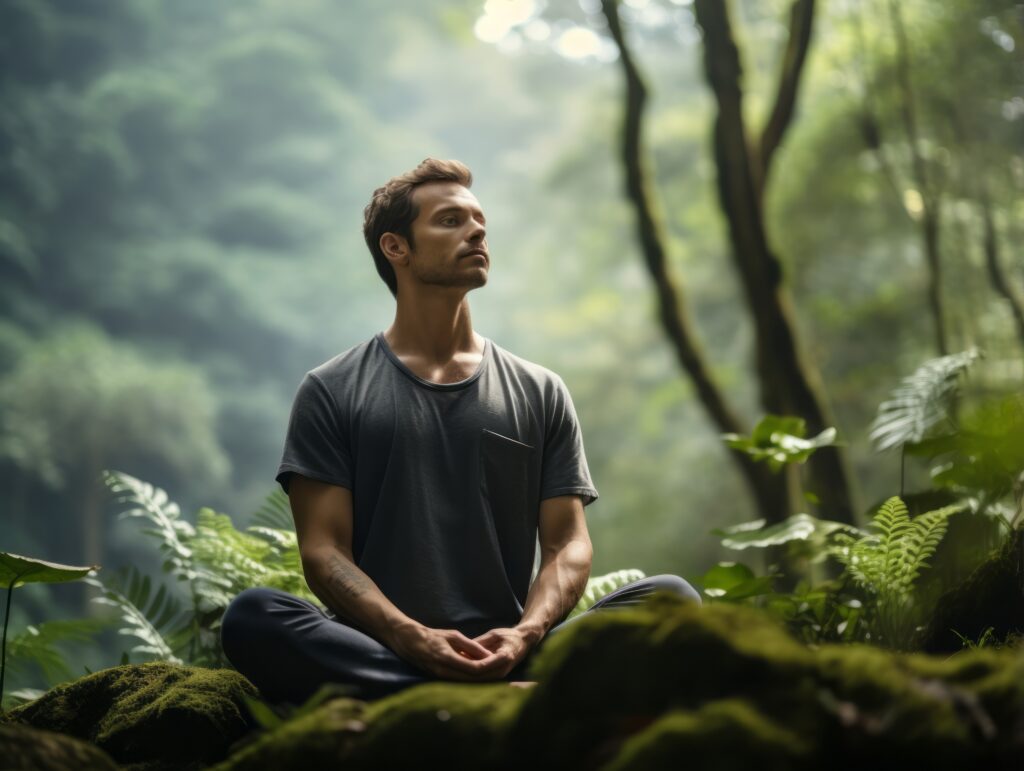
Thich Nhat Hanh’s Teachings on Nature and Mindfulness
Thich Nhat Hanh encouraged people to engage in mindful walking, not merely as a mode of transportation but as an opportunity to connect deeply with oneself and the environment. By focusing on each step, the rhythm of breathing, and the surrounding world, one could foster a profound sense of presence and awareness. This approach transforms a simple walk in the park or a moment beneath a tree into a meditative experience.
In his teachings, Thich Nhat Hanh often highlighted the importance of returning to daily life with greater awareness after spending time in nature. He viewed these moments not as an escape but as a way to enhance one’s connection to the world. By appreciating the beauty and serenity of the natural environment, individuals can cultivate a deeper respect and care for the planet.
Sadhguru’s Perspective on Humanity’s Connection with Nature
Sadhguru, the founder of the Isha Foundation, has extensively discussed the relationship between humans and nature. He posits that many of the environmental challenges we face today arise from the misguided perception that humans are separate from the natural world. This disconnection leads to a lack of awareness and responsibility towards the environment.
Sadhguru advocates for a shift in perspective, encouraging people to see environmental responsibility not as a burdensome obligation but as a natural outcome of understanding our dependence on healthy ecosystems. Clean air, water, and soil are essential for human well-being, and recognizing this interdependence can inspire a more harmonious relationship with nature. His teachings suggest that caring for the planet begins with acknowledging the intrinsic link between human health and environmental health.
The Role of Mindfulness in Supporting Well-being
While spiritual teachers like Thich Nhat Hanh and Sadhguru focus on mindfulness for personal growth and environmental awareness, healthcare experts highlight its benefits for emotional and mental health. According to the Cleveland Clinic, regular meditation practices can significantly reduce stress and enhance emotional well-being. Similarly, the Mayo Clinic emphasizes that meditation fosters greater self-awareness and stress management, though it should not replace professional medical or mental health treatment.
As World Environment Day encourages reflection on our relationship with the planet, the teachings of these spiritual leaders offer a simple yet profound starting point: paying attention. Whether through a mindful walk, a few quiet moments spent outdoors, or simply observing the natural world more closely, mindfulness provides a pathway to reconnect with the environment that sustains us.
“Nature is not a place to visit. It is home.” – Gary Snyder
Fonte: www.hindustantimes.com