
The Timeless Relevance of Yoga
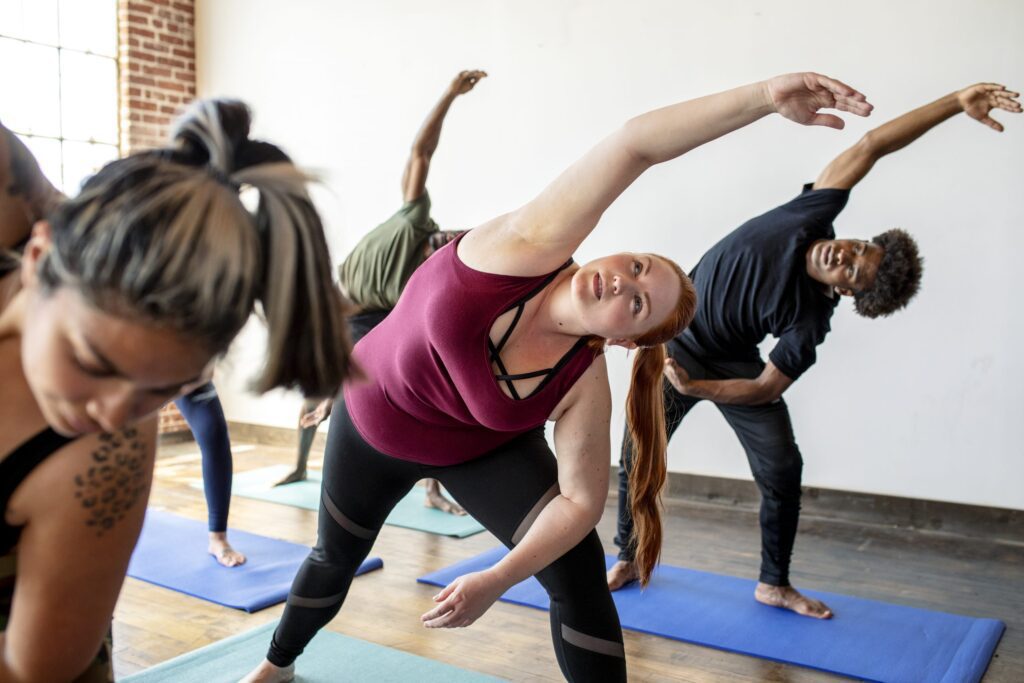
As the world comes together to celebrate the International Day of Yoga, it is essential to recognize that yoga is not merely a fleeting fitness trend. It stands as an ancient tradition of wisdom that holds profound relevance in today’s fast-paced world. In times marked by division, stress, and uncertainty, yoga delivers a powerful message of peace, beginning from within.
Through mindful movement, conscious breathing, and heightened self-awareness, yoga guides individuals toward discovering balance, resilience, and a deeper connection with life itself. This ancient practice encourages a personal journey of self-discovery and inner peace, offering a refuge from the chaos of modern living.
A Global Celebration of Unity
The United Nations recognized the significance of yoga by adopting June 21 as the International Day of Yoga, a decision supported by 177 member states. This makes it one of the most widely endorsed resolutions in the history of the UN. Since 2014, millions of people worldwide have rolled out their yoga mats to partake in this global observance.
The day underscores yoga’s extraordinary ability to promote physical health, mental well-being, inner peace, and harmony among people from diverse cultural and social backgrounds. It serves as a reminder of the universal appeal of yoga, which transcends geographical, cultural, and religious boundaries to become a movement that unites humanity.
Yoga: Beyond Physical Exercise
While many perceive yoga as a series of physical exercises, it is, in fact, far more than that. Yoga is a holistic approach to life that has guided humans toward balance, self-awareness, and well-being for thousands of years. The term ‘Yoga’ is derived from the Sanskrit root ‘yuj,’ meaning ‘to unite’ or ‘to join.’ At its core, yoga represents the union of body, mind, breath, and consciousness.
According to the teachings of the Art of Living Foundation, yoga is not solely about flexibility or mastering complex postures. Instead, it is a complete system for living that integrates physical health, mental clarity, emotional stability, and spiritual growth. It teaches individuals to live with greater awareness, compassion, and inner peace.
The Historical Roots of Yoga
Yoga originated in ancient India over 5,000 years ago, with references to yogic practices found in the Vedas, the world’s oldest sacred texts. Over centuries, sages and philosophers refined yoga into a sophisticated system for self-development and spiritual realization. One of the most influential figures in this evolution was the sage Patanjali, who compiled the Yoga Sutras around 2,000 years ago.
In his foundational text, Patanjali described yoga as the calming of the fluctuations of the mind, enabling individuals to experience their true nature. Historically, yoga encompassed meditation, ethical living, breath control, concentration, and self-inquiry. The physical postures popular today represent only one aspect of this broader tradition.
The Eight Limbs of Yoga
Patanjali’s Yoga Sutras outline eight interconnected principles known as the Eight Limbs of Yoga, providing a comprehensive roadmap for balanced living. These include Yama (ethical disciplines), Niyama (personal observances), Pranayama (breath regulation), and Samadhi (a state of profound inner absorption).
Together, these principles guide practitioners toward a harmonious existence, emphasizing the importance of ethical behavior, self-discipline, and spiritual growth. Yoga teaches that true well-being arises from a balanced integration of these elements, leading to a life of peace and fulfillment.
Why Yoga Matters Today
In today’s world, individuals face unprecedented challenges. Fast-paced lifestyles, constant digital connectivity, work pressures, and social anxieties contribute to rising levels of stress and mental fatigue. In this environment, yoga offers a powerful antidote.
Yoga improves respiratory efficiency through conscious breathing and encourages awareness of the body’s needs, reducing the likelihood of strain and injury. Many practitioners report feeling more balanced, centered, and capable of navigating life’s challenges after adopting a regular yoga routine.
A Universal Practice
Yoga invites individuals to explore deeper dimensions of themselves, fostering greater self-awareness, compassion, gratitude, and connection with others. This universal appeal explains why yoga has become a global movement, transcending cultural and religious boundaries.
A common misconception is that yoga begins and ends with physical postures. In reality, yoga is a way of living. A yogic lifestyle encourages mindful actions and conscious living, allowing every breath, kind action, and moment of awareness to become an expression of yoga.
The Global Rise of Yoga
Today, yoga is practiced in virtually every country around the world. From community centers and schools to hospitals and corporate wellness programs, yoga has become an integral part of modern health and well-being. What began as an ancient spiritual discipline in India has evolved into a global movement promoting health, peace, and human connection.
The International Day of Yoga serves as a reminder that wellness is not merely the absence of disease but the presence of harmony within ourselves and with the world around us.
A Practice for Everyone
One of yoga’s most beautiful qualities is its accessibility. Yoga is not limited by age, fitness level, nationality, or background. Whether practiced through gentle stretches, breathing exercises, meditation, or advanced postures, yoga offers benefits to everyone.
A beginner may start with a few minutes of conscious breathing each day, while experienced practitioners may explore deeper aspects of meditation and self-awareness. The journey is personal, and there is no single path. Yoga remains a timeless gift, offering peace and balance to all who embrace its teachings.
Yoga is not merely about flexibility or mastering difficult postures. Rather, it is a complete system for living that integrates physical health, mental clarity, emotional stability, and spiritual growth.
Fonte: timeskuwait.com